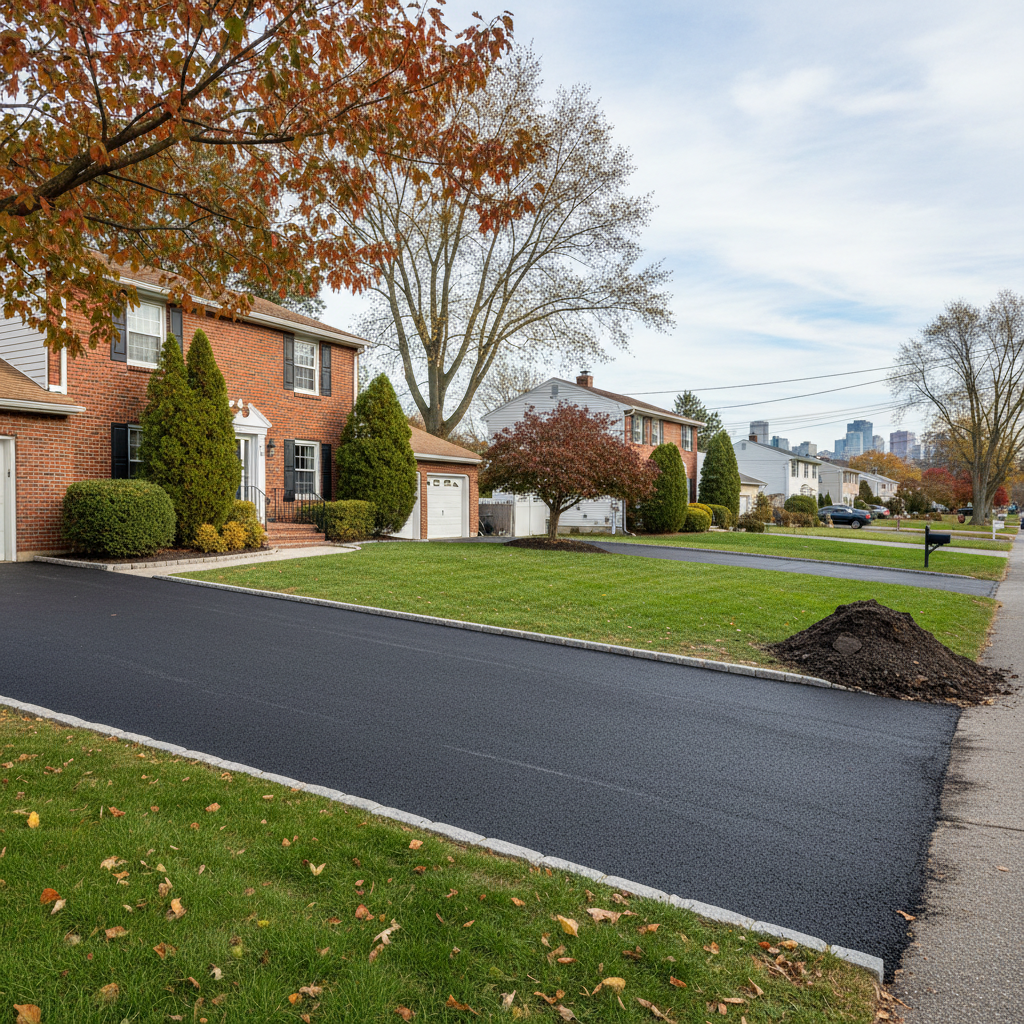
When's the best time to mill your asphalt driveway or parking lot here in Jersey City? It's a question I get a lot, and for good reason. Our weather isn't always predictable, and getting the timing right can make a huge difference in how long your new surface lasts.
Why Timing Matters for Asphalt Milling
Milling isn't just about ripping up old asphalt; it's about preparing a solid, stable base for your new layer. If you don't get the conditions right, you're setting yourself up for problems down the road. We're talking about everything from poor adhesion to premature cracking. Nobody wants that, especially after investing in their property.
Think about it: we get some pretty wild swings here in Jersey City. From humid summers to freezing winters, your asphalt takes a beating. Milling at the wrong time can expose your sub-base to moisture or extreme temperatures, which can compromise its integrity. You want that new asphalt to bond perfectly, and that only happens when the underlying conditions are optimal.
The Best Time to Schedule Your Milling Project
Generally, I tell folks that spring and fall are your best bets for asphalt milling here in Jersey City. Why?
- Spring (Late March to Early June): Once the ground thaws out completely and the risk of hard freezes is mostly gone, spring is fantastic. The temperatures are mild, usually between 50 and 70 degrees Fahrenheit, which is ideal for working with asphalt. The sub-base has had a chance to dry out from winter, and you're not battling the intense summer heat.
- Fall (September to Early November): This is another prime window. The summer heat has passed, but the ground hasn't frozen yet. Again, you're looking at those sweet spot temperatures that allow for proper compaction and curing of the new asphalt layer. You want to get the work done well before the really cold weather sets in, giving the new surface time to settle before winter's freeze-thaw cycles kick in.
Now, I've seen people try to push it in the middle of summer or deep winter. It's usually not worth the headache. Extreme heat can make asphalt too soft and difficult to compact correctly, leading to rutting. Extreme cold? Forget about it. The material won't bind right, and you'll end up with a brittle surface that cracks faster than you can say