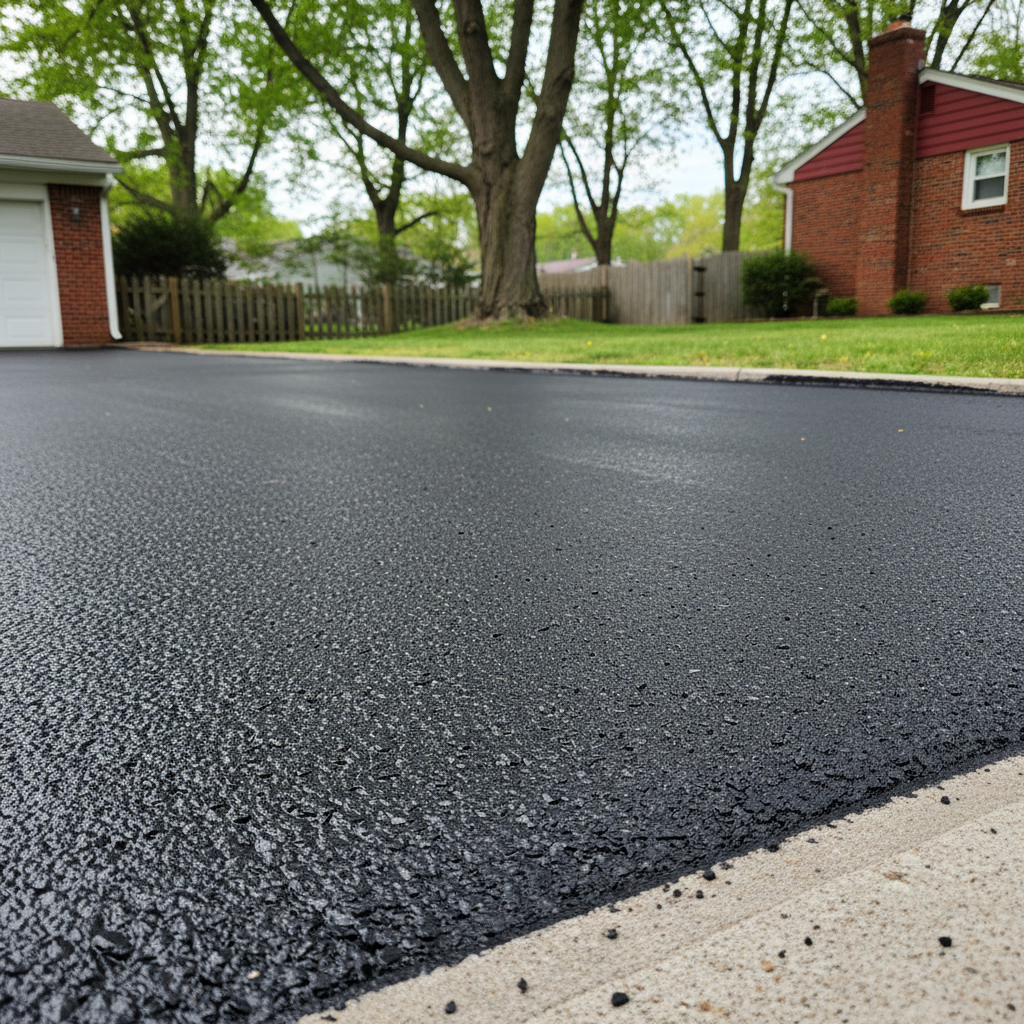
Alright, let's talk sealcoating. You've got an asphalt driveway, and you're probably wondering if you should tackle sealing it yourself or just call someone like us. It's a fair question, and honestly, there are times for both. Protecting your asphalt is crucial, especially with the kind of weather we get here in Jersey City – those brutal winters with freeze-thaw cycles and the hot, humid summers can really do a number on pavement.
Why Even Bother with Sealcoating?
Think of sealcoating as sunscreen for your driveway, but it's also a shield. It protects the asphalt from UV rays, water penetration, oil spills, and general wear and tear. Without it, your driveway starts to dry out, crack, and crumble way faster than it should. You'll see those small hairline cracks turn into bigger ones, and before you know it, you're looking at a full-blown repair or even replacement. A good sealcoat extends the life of your asphalt, keeps it looking sharp, and saves you money in the long run.
When Can You DIY Sealcoating?
If your driveway is relatively new, say less than five years old, and in pretty good shape – meaning no major cracks, potholes, or significant damage – you *can* probably handle the sealcoating yourself. It's a labor-intensive job, but it's not rocket science. You'll need to clean the surface thoroughly, fill any small cracks (we're talking hairline stuff, not Grand Canyon fissures), and then apply the sealer. The key here is preparation. You can't just slap sealer over dirt and expect it to stick. You'll need a good broom, a leaf blower, maybe even a pressure washer to get all the grime, oil spots, and loose aggregate off. Then, you'll need to let it dry completely. After that, it's about applying the sealer evenly, usually with a squeegee or a special roller. It's a workout, for sure, and you'll need a few days of clear, warm weather for the sealer to cure properly. Don't try this if rain is in the forecast or if the temperature is going to drop below 50 degrees Fahrenheit at night.
When Is It Time to Call a Pro?
Now, this is where Primetime Paving comes in. If your driveway is showing its age, has a lot of cracks, significant potholes, or areas that are crumbling, that's when you absolutely need to call a professional. Here's why:
- Extensive Repairs: We're talking about more than just filling a few small cracks. If you've got alligator cracking (looks like alligator skin), large potholes, or areas where the asphalt has completely deteriorated, those need specialized repair techniques before any sealcoat goes down. You can't just seal over those problems; they'll show right through and continue to get worse.
- Proper Cleaning and Prep: Professionals have industrial-grade equipment for cleaning, like power sweepers and high-pressure washers, that get the surface pristine. We also know how to treat oil stains and other contaminants that can prevent the sealer from adhering properly.
- Quality Materials: We use commercial-grade sealers that are designed for durability and longevity. These aren't the same off-the-shelf products you'll find at the hardware store. They're formulated for heavy traffic and tough weather conditions, like those brutal winters we get in areas like The Heights, where the ground freezes solid.
- Even Application: Getting an even, consistent coat can be tricky, especially on larger or irregularly shaped driveways. Pros have the experience and the right tools, like spray applicators, to ensure a uniform finish without streaks or puddles.
- Time and Effort: Let's be honest, sealcoating is a messy, time-consuming job. If you don't have the time, the right tools, or the inclination to spend a weekend scrubbing and rolling, hiring a pro is a no-brainer. We get it done efficiently and correctly.
What to Expect When We Sealcoat Your Driveway
When you hire us, here's the rundown. First, we'll inspect your driveway to assess its condition and recommend any necessary repairs. This might involve crack filling with hot rubberized sealant or patching potholes. Next, we'll thoroughly clean the entire surface, removing all dirt, debris, and oil spots. This step is critical for proper adhesion. Then, we apply two coats of high-quality asphalt sealer. We usually recommend two coats for maximum protection and a richer, darker finish. After application, we'll barricade the area to prevent anyone from driving on it too soon. You'll typically need to stay off it for at least 24-48 hours, depending on the weather conditions. We'll give you clear instructions on when it's safe to use your driveway again.
How Often Should You Sealcoat?
Generally, you should plan on sealcoating your asphalt driveway every 2-3 years. This frequency can vary based on traffic, sun exposure, and how well the previous sealcoat held up. If you wait too long, the asphalt will start to deteriorate, and you'll be looking at more expensive repairs down the line. It's a preventative measure, not a cure-all, so regular maintenance is key.
So, there you have it. If your driveway is in great shape and you're up for a bit of hard work, DIY might be an option for those small jobs. But for anything more, or if you just want the peace of mind that comes with a professional job and top-notch materials, give us a call at Primetime Paving. We'll make sure your Jersey City driveway is protected and looking good for years to come.