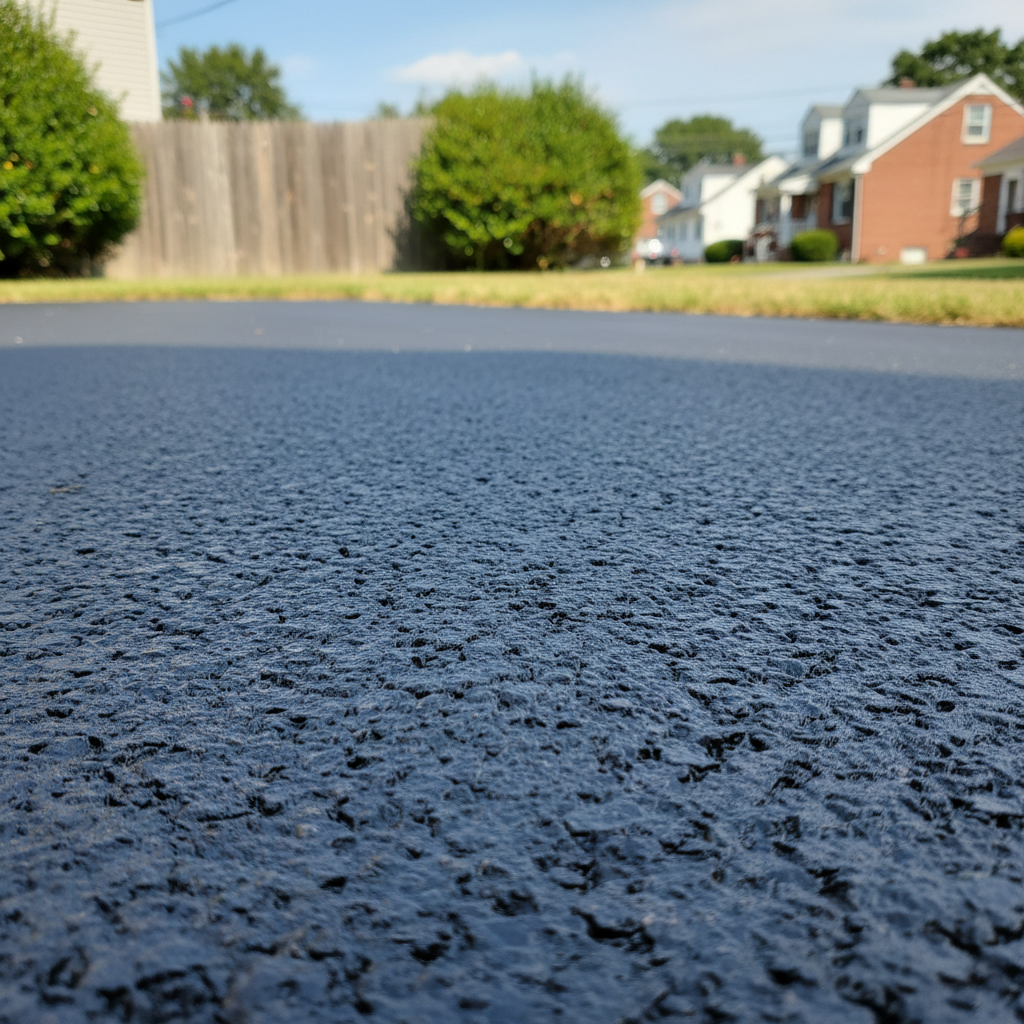
So, you're looking at your asphalt driveway and thinking it could use a little TLC. Maybe it's faded, got some small cracks, or just isn't looking as sharp as it used to. Sealcoating often comes up as the answer, and for good reason. It protects your investment, makes your driveway look great, and can extend its life significantly. But then the big question hits: can I do this myself, or should I call in the cavalry?
What Sealcoating Actually Does for Your Driveway
Before we dive into DIY versus pro, let's quickly cover what sealcoating is all about. Think of it like sunscreen and a protective topcoat for your asphalt. It's a liquid applied to the surface that does a few key things:
- Protects against UV rays: The sun's UV light is a major culprit in breaking down asphalt binders, leading to fading and brittleness.
- Seals out water: Water is asphalt's worst enemy. It seeps into cracks, expands when it freezes (especially with our brutal Jersey City winters), and creates potholes. Sealcoat acts as a barrier.
- Resists oil and gas spills: These chemicals can dissolve asphalt. A good sealcoat provides a protective layer.
- Restores appearance: It brings back that rich, black color, making your whole property look better.
When You Can Tackle It Yourself
Look, I'm a contractor, but I also respect a homeowner who wants to get their hands dirty and save a buck. There are definitely situations where DIY sealcoating can work:
- Small, relatively new driveways: If your driveway is fairly small, in good condition (no major cracks or potholes), and less than a few years old, you might be able to manage it.
- Minor fading: If the main issue is just aesthetic — it's lost its deep black color — and there's no structural damage, a DIY job might suffice.
- You're handy and patient: This isn't a quick job. You'll need to clean the surface thoroughly, fill any small cracks, and apply the sealcoat evenly. It takes time and attention to detail.
If you go this route, make sure you buy a good quality, commercial-grade sealer from a reputable supplier. Don't skimp on the materials. Read the instructions carefully, and pay close attention to temperature and weather conditions. Applying sealcoat on a scorching hot day or when rain is expected is just asking for trouble.
When It's Time to Call a Pro (Like Primetime Paving)
Now, let's be honest. Most of the time, especially with older or larger driveways, calling a professional is going to save you headaches, money in the long run, and give you a much better result. Here's why:
- Extensive cracking or potholes: If your driveway looks like a spiderweb or has actual holes, it needs more than just a coat of sealer. We're talking crack filling, patching, and sometimes even milling before sealcoating. Pros have the right equipment and materials for proper repair.
- Large driveways or complex layouts: Trying to evenly apply sealcoat to a large area without streaks or missed spots is harder than it looks. We've got commercial spray equipment that ensures uniform coverage.
- You value your time (and back): Prepping a driveway for sealcoating is a lot of work – cleaning, sweeping, edging, scrubbing oil stains. Then comes the actual application. It's physically demanding.
- Guaranteed results: When you hire a professional, you're paying for expertise, proper application techniques, and usually a warranty on the work. We know the best products for our local climate, which means it'll hold up better against the Hudson River humidity and freezing temps.
- Experience with different asphalt conditions: Every driveway is a bit different. A pro can assess the specific needs of your asphalt and recommend the best approach, whether it's a specific type of sealer or extra prep work.
The Process: What to Expect
Whether you DIY or hire us, the basic steps are similar:
- Cleaning: The surface needs to be spotless. We use power blowers, brooms, and sometimes pressure washing to remove all dirt, debris, and loose aggregate. Oil stains get treated.
- Crack Filling: All cracks need to be cleaned out and filled with a hot-applied rubberized crack filler. This is crucial for preventing water penetration.
- Patching: Any significant potholes or deteriorated areas need to be properly patched and compacted.
- Edging and Taping: We'll protect concrete sidewalks, curbs, and garage doors from overspray.
- Application: The sealcoat is applied, usually in two thin, even coats, allowing proper drying time between applications.
- Curing: You'll need to stay off the driveway for at least 24-48 hours, sometimes longer depending on weather conditions.
Ultimately, the decision is yours. If your driveway is in pretty good shape and you're up for a weekend project, go for it. But if you've got significant damage, a big area, or just want the job done right without the hassle, give Primetime Paving a call. We're here to make sure your Jersey City driveway looks good and lasts for years to come.