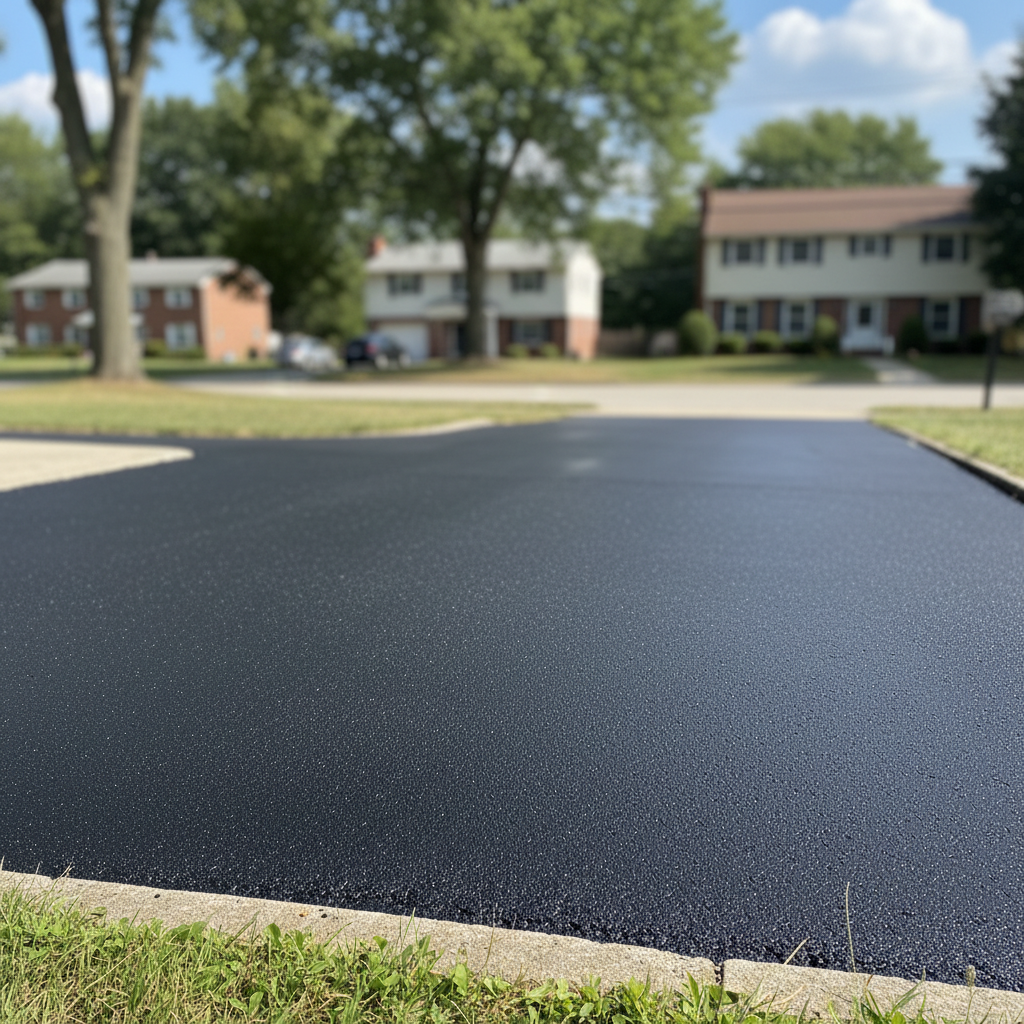
Alright, let's talk sealcoating. I get a lot of questions from folks around Jersey City, from the brownstones in Hamilton Park to the newer builds down by Liberty State Park, about what sealcoating actually does, when to do it, and if it's even worth the bother. There's a lot of misinformation out there, and I've seen plenty of driveways messed up by bad advice or cheap work. So, I figured I'd tackle the most common questions head-on. Here's what you really need to know.
1. How often should I actually sealcoat my driveway in Jersey City?
This is probably the number one question I hear. The short answer? Every 2-3 years, generally. But it's not a hard and fast rule, and you've got to consider a few things. First, how much traffic does your driveway see? If you've got multiple cars coming and going all day, every day, you might lean closer to that two-year mark. If it's just one car parked most of the time, three years might be fine. The quality of the previous sealcoat matters too. A good, professional job with quality materials will last longer than a cheap, thin coat. Also, our Jersey City weather plays a big role. We get those harsh winters with freezing and thawing cycles, plus the summer sun beating down. All that takes a toll. Don't wait until your asphalt is gray and cracking everywhere. You want to sealcoat to protect it, not just to cover up existing damage.
2. What's the best time of year to sealcoat in Jersey City?
Timing is everything with sealcoating. You can't just slap it down whenever. The ideal window for us here in Jersey City is usually late spring through early fall. You need consistent temperatures, typically above 50°F (10°C) for at least 24-48 hours, both during application and for the curing process. That means avoiding those early spring days where it's warm in the afternoon but dips below freezing overnight, or those late fall days when the sun's not strong enough. You also need dry conditions. Rain within 24 hours of application will wash away your investment and make a huge mess. So, we're looking for a stretch of clear, mild weather. That's why we're often booked solid in May, June, and September. It's when the conditions are just right for the sealcoat to properly bond and cure.
3. Will sealcoating fix my cracks and potholes?
Absolutely not. This is a big misconception. Sealcoating is a protective layer, like sunscreen for your asphalt. It's not a miracle cure for existing damage. Think of it this way: you wouldn't paint over a hole in your wall and expect it to be fixed, right? Same principle. Before any sealcoating happens, any significant cracks need to be cleaned and filled properly, and potholes need to be repaired. If you sealcoat over cracks, they'll just show right through, and the sealcoat will likely fail in those areas quickly. It's a waste of money. At Primetime Paving, we always inspect the driveway first and recommend any necessary repairs before we even think about sealcoating. Get the repairs done right, then protect them with sealcoat.
4. What's the difference between a cheap sealcoat and a professional one?
Oh, man, this is where you really see the difference. A cheap job usually means watered-down material, poor surface prep, and rushing the work. Some guys will just blow off the leaves and start spraying. That's not how it works. A professional job starts with thorough cleaning – sweeping, blowing, sometimes even power washing to get rid of all dirt, oil stains, and debris. Then we'll address any cracks or small repairs. The material itself matters too. We use commercial-grade, undiluted sealer that's designed to last and provide real protection. It's applied evenly, often in two coats, allowing proper drying time between each. A cheap job might look okay for a few weeks, but it'll wear off fast, leaving your asphalt exposed again. A professional job, like what we do at Primetime Paving, will give you a durable, long-lasting finish that truly protects your investment.
5. How long do I need to stay off my driveway after sealcoating?
Patience is key here. Generally, you need to stay off your driveway for at least 24-48 hours after the final coat. This allows the sealcoat to properly cure and harden. If you drive on it too soon, you risk tracking the wet sealer onto your lawn or sidewalk, and you'll leave tire marks that will be a permanent eyesore. In some cases, especially if it's humid or cooler, we might recommend a full 72 hours. It's always better to err on the side of caution. We'll give you specific instructions based on the conditions on the day of application. Just plan ahead – park on the street for a couple of days, or shuffle cars around. It's a small inconvenience for a much better, longer-lasting result.
6. Is sealcoating really necessary, or is it just cosmetic?
It's absolutely necessary for the longevity of your asphalt, not just for looks. Think about what your asphalt goes through: UV rays from the sun break down the binder, making it brittle. Water penetrates tiny cracks, and when it freezes in winter, it expands and makes those cracks bigger. Oil and gas drips soften the asphalt. Sealcoating creates a barrier against all these elements. It replenishes the oils that sunlight bakes out, prevents water penetration, and resists chemical spills. Without it, your asphalt will degrade much faster, leading to costly repairs or even a full replacement down the line. It's preventative maintenance, pure and simple. It keeps your driveway looking good, yes, but more importantly, it saves you money in the long run by extending the life of your pavement.
7. What about those black spots or uneven areas I see after sealcoating?
Sometimes after a fresh sealcoat, especially if you're looking really close, you might notice some slight variations in color or texture. This can happen for a few reasons. If there were oil stains on the driveway that weren't completely removed, the sealcoat might not adhere perfectly in those spots, leading to a slightly different shade. Or, if there were areas that needed heavier crack filling or patching, the new material might absorb the sealcoat differently than the original asphalt, creating a subtle difference. Usually, these minor inconsistencies fade a bit over time as the sealcoat fully cures and weathers. If you see anything major, or if it looks truly uneven, definitely give us a call. But often, what looks like a 'spot' is just a natural variation in how the sealer takes to the underlying surface. It's usually nothing to worry about and doesn't affect the protection it provides.
Look, your driveway is a big investment. Taking care of it with regular, professional sealcoating is just smart. If you've got more questions or want to get a quote for your Jersey City property, don't hesitate to reach out. We're here to help.